

Table of Contents
About The Book
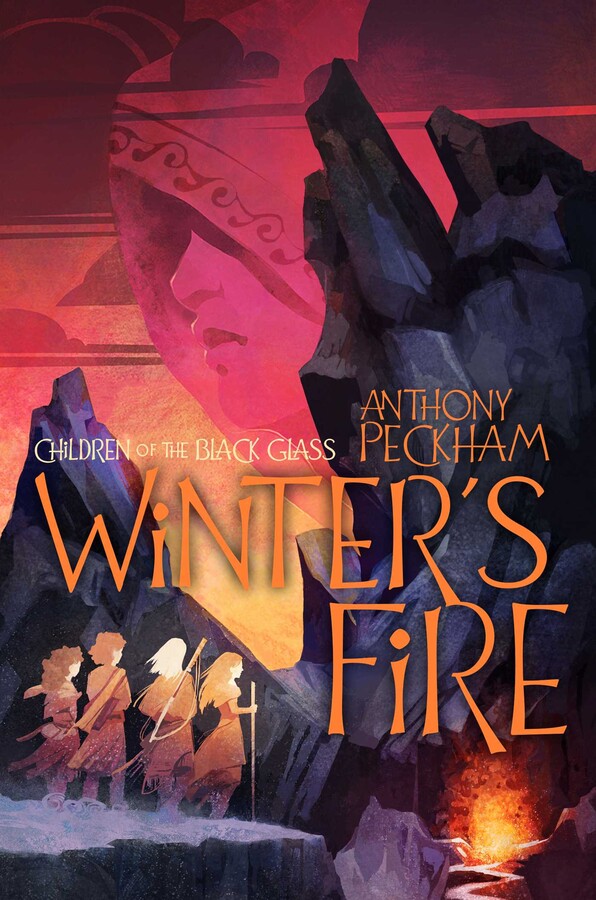
Tell and Wren flee Halfway only to face their village’s wrath in this second book in the middle grade fantasy series that’s Howl’s Moving Castle meets Christopher Paolini!
Siblings Tell and Wren barely escaped the treacherous city of Halfway with their lives, two new friends, and an unconscious sorcerer. With a massive bounty on their heads if they ever return, Tell and Wren have no choice but to return to their village…despite the punishment surely awaiting them for venturing outside their icy mountain home.
But treacherous power plays brew amongst the Villagers, and our heroes once again find themselves in the middle of a civil war, one that takes an almost deadly toll on the siblings. It also reveals an astonishing secret about Wren: she has magic, powerful magic. This startling revelation, combined with disturbing dreams that plague Rumi, drag the four back into Halfway, the very place they’re forbidden from entering upon penalty of death.
Siblings Tell and Wren barely escaped the treacherous city of Halfway with their lives, two new friends, and an unconscious sorcerer. With a massive bounty on their heads if they ever return, Tell and Wren have no choice but to return to their village…despite the punishment surely awaiting them for venturing outside their icy mountain home.
But treacherous power plays brew amongst the Villagers, and our heroes once again find themselves in the middle of a civil war, one that takes an almost deadly toll on the siblings. It also reveals an astonishing secret about Wren: she has magic, powerful magic. This startling revelation, combined with disturbing dreams that plague Rumi, drag the four back into Halfway, the very place they’re forbidden from entering upon penalty of death.
Excerpt
Chapter 1 1
Rumi’s blistered feet hurt whether she was walking or resting. Her knees ached. Every heaving breath she took felt thin and insufficient, and the cold mountain air stung her lungs.
She’d spent the first twelve years of her life behind the walls of her family’s luxurious trading compound, warm and safe, in the lowland city of Halfway. The mountain landscape she and her friends were climbing through, ever upward, was the exact opposite. It was terrifyingly vast, steep, empty, and alien to her. It was horrible. All of it. And yet not the worst.
The worst was still to come—was about to happen. The fact that Wren and Tell, mountain-born both, were visibly anxious and had stopped talking altogether made Rumi’s heart race.
Cormorin had also noticed Wren’s and Tell’s changes in demeanor. When the footing allowed it, he turned to give Rumi a long look, his flame-red hair hidden under the scarf he’d wrapped around his head. The sorcerer’s apprentice was better at suffering than Rumi was and had spent the entire three-day climb up from the Night Before hot springs tending to Sicatrice, his sorcerer, as she lay comatose on their beloved mule Rumble’s sturdy back.
From the moment he had carried her limp body out of their burning home at the center of the city, there was an undercurrent of desperation to Cormorin’s devotion. Sicatrice hadn’t shown any sign of reviving from her battle with a rival sorcerer now days ago—the night Halfway burned. Cormorin had seemed oblivious to the world they were trudging through, but that look over his shoulder now told Rumi otherwise.
At the front of fifteen mules laden with supplies for the winter, Tell and Wren began to slow. They’d come to an innocent-looking bend in the path, and they knew that what lay around the bend was anything but. Brother and sister shared a dry-mouthed glance as Wren brought Rumble to a halt.
They had reached the Narrows, by far the most dangerous section of the dangerous journey back to their home in the high mountains. Even Rumble, grizzled veteran of many such journeys, seemed tense.
Wren touched her brother’s hand. “You talk to them,” she said. Tell sighed and turned to look down the line at the other two. His heart sank. He knew the truth; neither Cormorin nor Rumi had any business trying to cross the Narrows. They were as out of place here as he and Wren had been in the city of Halfway. He was still trying to understand how he and Wren had survived down there. They’d made so many mistakes! But here, in the Narrows, a mistake couldn’t be survived. Not by anyone.
“Well… we’re here,” Tell called out. “The Narrows.”
Keeping her hands on the mules as she edged past them, Rumi worked her way up the path toward the front. Not a good idea, but Tell already knew better than to try to change Rumi’s mind about something once she’d decided to do it. She was much like his sister in that regard.
“It… it looks worse than it is,” Tell continued. “Really, it’s just part of the path to the village.”
“The part where if you slip, you fall for a thousand feet?” Cormorin asked quietly. Tell looked to Wren for help. He was doing a terrible job and knew it. His sister took over.
“Don’t look anywhere but at your feet and the mule in front of you,” Wren told them. “And definitely don’t look all the way down.” She remembered the horrible feeling of being completely helpless in Halfway and was sure that Cormorin and Rumi felt something like that now.
“But don’t look up, either,” Tell added in a rush. “Especially not at the hanging rock. It could fall at any moment.”
The hanging rock was massive, mushroom shaped, and leaned out from the cliff face at an impossible angle; it should have fallen many generations ago. Villagers knew, though Rumi and Cormorin did not, that the rock was held in place by an ancient spell, and spells eventually wear off. Hopefully not this day.
Cormorin kept his gaze forward. “What if she wakes while we’re in there?” he asked, meaning his sorcerer. Even though Sicatrice had trusted them with her true name in Halfway, none of the four were comfortable using it.
“Let’s hope she doesn’t,” Wren replied.
“Don’t try to help her; you’ll fall too,” Tell added, utterly serious.
“If someone slips in the Narrows, you just let ’em go. That’s the rule. Better to lose one than two.” Wren was more ruthless than her brother, and more cheerful.
Rumi reached the head of the line and, holding on to Rumble, leaned her head to one side so she could peek past them into the Narrows. A spasm of fear gripped her.
The path they were on was already precarious, but what lay ahead seemed impossible; a wisp of a ledge cut across a sheer cliff, curving slightly inward, worn smooth by feet and hooves and weather and crumbled away in places where you had to step across thin air to continue.
A thousand feet of gleaming rock above with double that below. Snow and ice glinted menacingly in the places where the sun hadn’t burned them off. The sides of the mules would be scraping the rock until the cliff was crossed and they could walk on relatively safe mountainside again.
Rumi stared at Tell with a mixture of fear and disbelief.
Tell shrugged with all the nonchalance he could muster. “We’ve been crossing it twice a year for longer than anyone can remember.”
Rumi’s fear transformed into anger. Her face, generally pale, reddened. “Why? How can your people just agree that this is the path to your village! Why wouldn’t you find a better way!?”
“Rumi, we need to be calm to do this,” Tell told her—calmly, he hoped.
“Then tell me!” she insisted. “Why go this way?”
Tell paused. “Because we always have.”
“That’s not an answer!” Rumi fumed.
“Because it stops other people,” Wren said reasonably. “This is where they turn back.”
“When was the last time anyone tried to come to your village, for any reason whatsoever?” Rumi was working herself into a fine fury.
Tell and Wren shared a shrug. Not in living memory. “You see,” Wren said with a grin. “It works.”
Wren’s logic did not satisfy Rumi. In fact, it had the opposite effect. But as Rumi drew breath for another volley of words, Cormorin stepped in. He wanted to get this over with, one way or another. Either get through the Narrows or fall to his death—anything but bicker endlessly on a freezing mountainside.
“Rumi,” he said, his voice soft but sharp, his tone stopping Rumi’s rising anger. “Think about your parents and your brothers—not this. Hold their faces in your mind. They will take you across.” There was more than just simple logic in the apprentice’s words; persuasion was part of his growing skill as a sorcerer.
And so, whether she wanted to or not, Rumi saw the faces of her father, mother, and older brothers, and all her emotion was replaced by a bleak emptiness that stilled her instantly. She wasn’t calm; she just no longer cared. Little truly mattered since her family’s murder. She looked Tell in the eyes, the bleakness in her gaze making him wince. “I’m ready now,” she declared, calmly working her way back to her place between the mules. “Let’s cross.”
Tell looked to Wren. She nodded. She, too, was ready. Cormorin simply shrugged. He’d already accepted whatever would happen.
Without waiting another moment, Tell took the first step into the Narrow. He kept his breath even, tightening down on his thoughts and emotions until there was nothing left in the universe but the next step ahead on the sliver of ledge. And then the step after that.
The old men and women of their village taught all the children how to do this; it was a survival skill, and the People of the Black Glass needed many of those. Tell resisted the impulse to lean in toward the sheer rock wall. He knew from stories heard for fourteen years around winter’s fires that leaning in was a false comfort; it took away balance.
The first few steps were always the worst; they demanded every ounce of his courage. After that, he just kept moving forward, shuffling his feet when he encountered snow, kicking it off the ledge ahead of the others.
Tell didn’t dare turn to make sure the others followed, but he heard the hooves, the footsteps, the steady breathing behind him, and so he continued on slowly. Directly behind him, Rumble burbled softly, as if to say “Keep going; you’re doing fine.”
Up ahead, a sharp shadow slashed across the ledge, cast by the hanging rock. It was close to noon, so Tell knew that when he reached the rock’s shadow, he would be more than two-thirds of the way through. The entire mule train was in the Narrows now. There was nowhere to go but forward.
Forcing himself not to look upward, he stole a glance ahead toward the notch in the rock at the end of the Narrows, which spelled safety.
His heart stopped.
His feet stopped. Rumble whinnied.
The entire line behind him had no choice but to stop in a place where stopping was a very bad idea.
“What are you doing?” Wren whispered tensely from behind.
Tell pointed forward with an unsteady hand.
At the other side of the Narrows, the figure of a man was silhouetted in the notch, watching them. A man Tell and Wren thought they’d never see again. Someone they feared more deeply than anyone else, Tell especially.
Rumi’s blistered feet hurt whether she was walking or resting. Her knees ached. Every heaving breath she took felt thin and insufficient, and the cold mountain air stung her lungs.
She’d spent the first twelve years of her life behind the walls of her family’s luxurious trading compound, warm and safe, in the lowland city of Halfway. The mountain landscape she and her friends were climbing through, ever upward, was the exact opposite. It was terrifyingly vast, steep, empty, and alien to her. It was horrible. All of it. And yet not the worst.
The worst was still to come—was about to happen. The fact that Wren and Tell, mountain-born both, were visibly anxious and had stopped talking altogether made Rumi’s heart race.
Cormorin had also noticed Wren’s and Tell’s changes in demeanor. When the footing allowed it, he turned to give Rumi a long look, his flame-red hair hidden under the scarf he’d wrapped around his head. The sorcerer’s apprentice was better at suffering than Rumi was and had spent the entire three-day climb up from the Night Before hot springs tending to Sicatrice, his sorcerer, as she lay comatose on their beloved mule Rumble’s sturdy back.
From the moment he had carried her limp body out of their burning home at the center of the city, there was an undercurrent of desperation to Cormorin’s devotion. Sicatrice hadn’t shown any sign of reviving from her battle with a rival sorcerer now days ago—the night Halfway burned. Cormorin had seemed oblivious to the world they were trudging through, but that look over his shoulder now told Rumi otherwise.
At the front of fifteen mules laden with supplies for the winter, Tell and Wren began to slow. They’d come to an innocent-looking bend in the path, and they knew that what lay around the bend was anything but. Brother and sister shared a dry-mouthed glance as Wren brought Rumble to a halt.
They had reached the Narrows, by far the most dangerous section of the dangerous journey back to their home in the high mountains. Even Rumble, grizzled veteran of many such journeys, seemed tense.
Wren touched her brother’s hand. “You talk to them,” she said. Tell sighed and turned to look down the line at the other two. His heart sank. He knew the truth; neither Cormorin nor Rumi had any business trying to cross the Narrows. They were as out of place here as he and Wren had been in the city of Halfway. He was still trying to understand how he and Wren had survived down there. They’d made so many mistakes! But here, in the Narrows, a mistake couldn’t be survived. Not by anyone.
“Well… we’re here,” Tell called out. “The Narrows.”
Keeping her hands on the mules as she edged past them, Rumi worked her way up the path toward the front. Not a good idea, but Tell already knew better than to try to change Rumi’s mind about something once she’d decided to do it. She was much like his sister in that regard.
“It… it looks worse than it is,” Tell continued. “Really, it’s just part of the path to the village.”
“The part where if you slip, you fall for a thousand feet?” Cormorin asked quietly. Tell looked to Wren for help. He was doing a terrible job and knew it. His sister took over.
“Don’t look anywhere but at your feet and the mule in front of you,” Wren told them. “And definitely don’t look all the way down.” She remembered the horrible feeling of being completely helpless in Halfway and was sure that Cormorin and Rumi felt something like that now.
“But don’t look up, either,” Tell added in a rush. “Especially not at the hanging rock. It could fall at any moment.”
The hanging rock was massive, mushroom shaped, and leaned out from the cliff face at an impossible angle; it should have fallen many generations ago. Villagers knew, though Rumi and Cormorin did not, that the rock was held in place by an ancient spell, and spells eventually wear off. Hopefully not this day.
Cormorin kept his gaze forward. “What if she wakes while we’re in there?” he asked, meaning his sorcerer. Even though Sicatrice had trusted them with her true name in Halfway, none of the four were comfortable using it.
“Let’s hope she doesn’t,” Wren replied.
“Don’t try to help her; you’ll fall too,” Tell added, utterly serious.
“If someone slips in the Narrows, you just let ’em go. That’s the rule. Better to lose one than two.” Wren was more ruthless than her brother, and more cheerful.
Rumi reached the head of the line and, holding on to Rumble, leaned her head to one side so she could peek past them into the Narrows. A spasm of fear gripped her.
The path they were on was already precarious, but what lay ahead seemed impossible; a wisp of a ledge cut across a sheer cliff, curving slightly inward, worn smooth by feet and hooves and weather and crumbled away in places where you had to step across thin air to continue.
A thousand feet of gleaming rock above with double that below. Snow and ice glinted menacingly in the places where the sun hadn’t burned them off. The sides of the mules would be scraping the rock until the cliff was crossed and they could walk on relatively safe mountainside again.
Rumi stared at Tell with a mixture of fear and disbelief.
Tell shrugged with all the nonchalance he could muster. “We’ve been crossing it twice a year for longer than anyone can remember.”
Rumi’s fear transformed into anger. Her face, generally pale, reddened. “Why? How can your people just agree that this is the path to your village! Why wouldn’t you find a better way!?”
“Rumi, we need to be calm to do this,” Tell told her—calmly, he hoped.
“Then tell me!” she insisted. “Why go this way?”
Tell paused. “Because we always have.”
“That’s not an answer!” Rumi fumed.
“Because it stops other people,” Wren said reasonably. “This is where they turn back.”
“When was the last time anyone tried to come to your village, for any reason whatsoever?” Rumi was working herself into a fine fury.
Tell and Wren shared a shrug. Not in living memory. “You see,” Wren said with a grin. “It works.”
Wren’s logic did not satisfy Rumi. In fact, it had the opposite effect. But as Rumi drew breath for another volley of words, Cormorin stepped in. He wanted to get this over with, one way or another. Either get through the Narrows or fall to his death—anything but bicker endlessly on a freezing mountainside.
“Rumi,” he said, his voice soft but sharp, his tone stopping Rumi’s rising anger. “Think about your parents and your brothers—not this. Hold their faces in your mind. They will take you across.” There was more than just simple logic in the apprentice’s words; persuasion was part of his growing skill as a sorcerer.
And so, whether she wanted to or not, Rumi saw the faces of her father, mother, and older brothers, and all her emotion was replaced by a bleak emptiness that stilled her instantly. She wasn’t calm; she just no longer cared. Little truly mattered since her family’s murder. She looked Tell in the eyes, the bleakness in her gaze making him wince. “I’m ready now,” she declared, calmly working her way back to her place between the mules. “Let’s cross.”
Tell looked to Wren. She nodded. She, too, was ready. Cormorin simply shrugged. He’d already accepted whatever would happen.
Without waiting another moment, Tell took the first step into the Narrow. He kept his breath even, tightening down on his thoughts and emotions until there was nothing left in the universe but the next step ahead on the sliver of ledge. And then the step after that.
The old men and women of their village taught all the children how to do this; it was a survival skill, and the People of the Black Glass needed many of those. Tell resisted the impulse to lean in toward the sheer rock wall. He knew from stories heard for fourteen years around winter’s fires that leaning in was a false comfort; it took away balance.
The first few steps were always the worst; they demanded every ounce of his courage. After that, he just kept moving forward, shuffling his feet when he encountered snow, kicking it off the ledge ahead of the others.
Tell didn’t dare turn to make sure the others followed, but he heard the hooves, the footsteps, the steady breathing behind him, and so he continued on slowly. Directly behind him, Rumble burbled softly, as if to say “Keep going; you’re doing fine.”
Up ahead, a sharp shadow slashed across the ledge, cast by the hanging rock. It was close to noon, so Tell knew that when he reached the rock’s shadow, he would be more than two-thirds of the way through. The entire mule train was in the Narrows now. There was nowhere to go but forward.
Forcing himself not to look upward, he stole a glance ahead toward the notch in the rock at the end of the Narrows, which spelled safety.
His heart stopped.
His feet stopped. Rumble whinnied.
The entire line behind him had no choice but to stop in a place where stopping was a very bad idea.
“What are you doing?” Wren whispered tensely from behind.
Tell pointed forward with an unsteady hand.
At the other side of the Narrows, the figure of a man was silhouetted in the notch, watching them. A man Tell and Wren thought they’d never see again. Someone they feared more deeply than anyone else, Tell especially.
About The Author

Photograph (c) Ginger D. Nunzio
Anthony Peckham
Anthony (Tony) Peckham is a South African–born screenwriter, surfer, and farmer who now lives on an island in the Pacific. Decades ago, while exploring a remote, high-altitude landscape with his children, he came upon a mountain made of black glass which inspired his debut novel. His other work includes Clint Eastwood’s Invictus and Guy Ritchie’s Sherlock Holmes. He is a Writers Guild of America Award winner and an NAACP Image Award nominee. Tony is the author of the Children of the Black Glass middle grade series. You can find him online at AnthonyPeckham.com.
Product Details
- Publisher: Atheneum/Caitlyn Dlouhy Books (January 21, 2025)
- Length: 336 pages
- ISBN13: 9781665913164
- Ages: 10 - 14
Resources and Downloads
High Resolution Images
-
Book Cover Image (jpg): Winter's Fire
Hardcover 9781665913164
-
Author Photo (jpg): Anthony Peckham Photograph (c) Ginger D. Nunzio(0.1 MB)
Any use of an author photo must include its respective photo credit


